Beyond the Basics: Plan Ahead for a Safer Backcountry Adventure
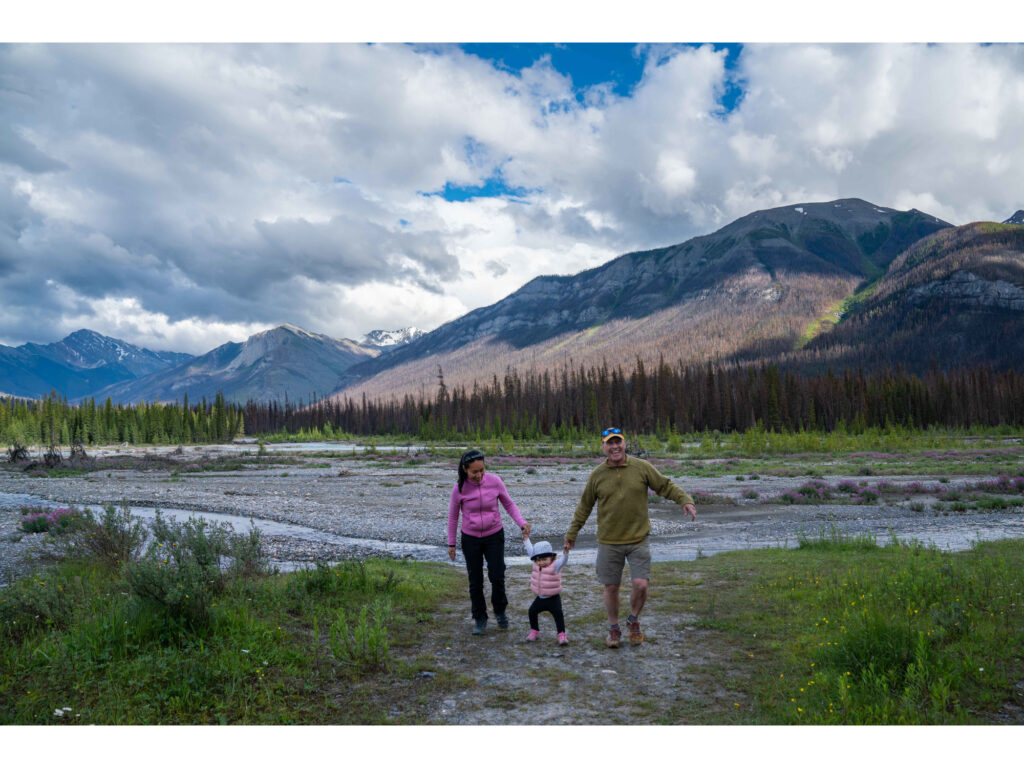
One of the best things about camping in British Columbia is the opportunity to escape the crowds and explore places that feel truly wild. Remote camping can be incredibly rewarding, but it also comes with extra responsibilities. Help may be hours away, cell service is often unreliable, and even a minor problem can quickly become a serious situation.
That’s why one of the most important Camper’s Code principles is simple: Be Prepared. Before heading out, take a few minutes to explore the Camper’s Code for practical tips on camping safely and responsibly.
Start by thinking about what could go wrong
Most campers already plan where they’re going, how long they’ll be away, and what gear to bring. If you’re heading into a remote area, it’s worth taking your planning one step further by creating a simple hazard checklist before you leave.
This isn’t about expecting the worst, it’s about being realistic. Every destination has its own challenges, and thinking about them in advance helps you make better decisions once you’re there.
- Will you be hiking over uneven trails, steep slopes, loose rock, or slippery roots?
- Could the weather change suddenly? Mountain conditions can shift quickly, even when the forecast looks promising.
- What wildlife species live in the area? Bears often come to mind, but insects, snakes, and other animals deserve consideration too.
- Could your campsite create hazards, such as guy lines across walkways, cooking areas that attract wildlife, or gear left lying around?
- What simple mistakes could happen when you’re tired after a long day outdoors?
- Will smoke, fog, dense forest, or darkness reduce your visibility?
- Are there nearby rivers, lakes, cliffs, or wildfire risks that require extra caution?
Camper’s Code Tip: Walk around your campsite once it’s set up. Make sure tent lines are visible, gear is stored safely, and pathways are clear to reduce the chance of trips and falls—especially after dark.
Decide which risks deserve the most attention
Once you’ve identified the hazards, think about how likely each one is to happen and how serious the consequences would be if it did. You don’t need a complicated spreadsheet—simply identifying your highest-risk situations will help you focus your preparation where it matters most.
Camper’s Code Tip: If you’re camping with family or friends, talk through your plans together. Make sure everyone knows the day’s route, meeting points, and what to do if someone becomes separated from the group.
Plan how you’ll reduce those risks
Every hazard should have a simple plan to reduce the chance of it happening or lessen the consequences if it does.
- Wear sturdy footwear suitable for the terrain.
- Check weather forecasts before you leave and each day of your trip.
- Pack extra food, water, and warm clothing.
- Store food properly and carry bear spray where appropriate—and know how to use it.
- Keep your campsite organized.
- Carry reliable navigation tools, a first aid kit, and a satellite communicator or emergency beacon when travelling beyond cell coverage.
Camper’s Code Tip: Pack a few ‘just in case’ essentials, including a headlamp with spare batteries, an emergency blanket, a whistle, and a portable phone charger.
Leave a trip plan with someone you trust
Before leaving home, tell a family member or friend where you’re going, when you expect to return, and what they should do if they don’t hear from you.
Even better, complete a digital trip plan using AdventureSmart’s Trip Plan App and share it before you head out.
Camper’s Code Tip: If your plans change once you’re on the road, update the person who has your trip plan whenever possible.
Preparation lets you enjoy the adventure
Camping in remote places isn’t about avoiding adventure, it’s about making smart decisions so you can enjoy it with confidence.
The Camper’s Code encourages everyone to plan ahead, respect nature, and camp responsibly. A little preparation before your trip can help protect both you and the places we all enjoy exploring.
Camper’s Code Tip: Take the Camper’s Code Pledge, and explore the Camper’s Code Principles. Take the time to read more camping tips and safety articles
Ready for your next adventure?
Responsible campers help protect British Columbia’s outdoors for everyone.
Helpful external resources:
• AdventureSmart Trip Plan App
• Leave No Trace Canada
• Know before you travel in British Columbia
The best camping memories come from great adventures—and making it home safely to tell the story.
Take the pledge to follow the Camper’s Code. Note: Please check your email for verification email and to ensure your mailing address is correct, so we can send your sticker.
Published: August 14, 2026